


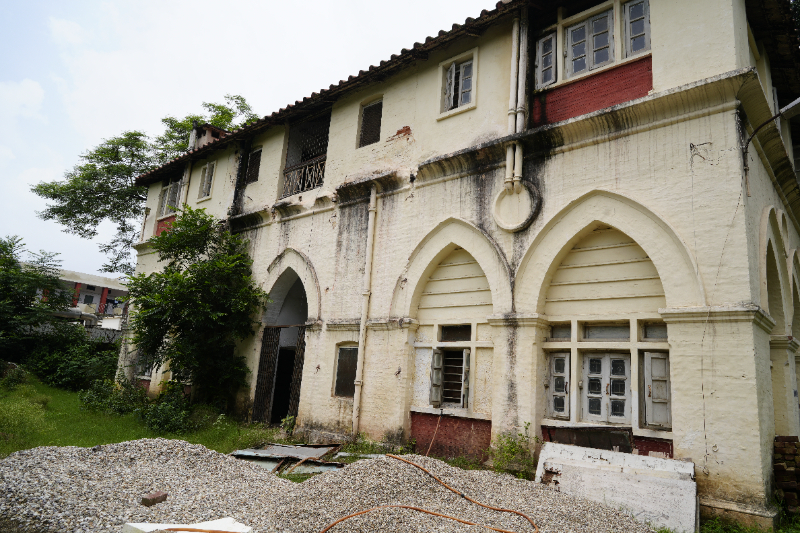
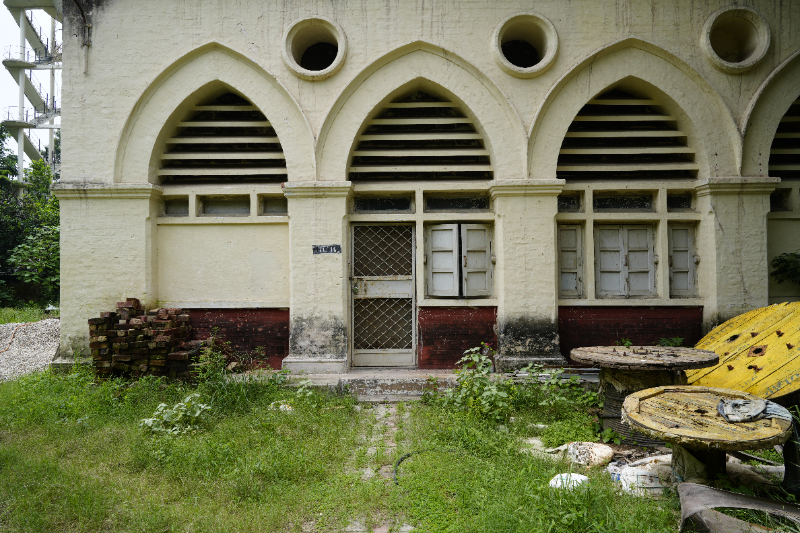
In 1847, the college introduced its initial plans, which included a small permanent structure for the institution along with barracks for European and Indian teachers and students. After independence, a wave of modernization transformed the campus, replacing the old barracks with new buildings designed in a contemporary Indian style, marking a shift away from traditional architectural designs. As the need for expansion grew, the Syndicate’s planning committee developed a strategic blueprint, directing all new construction to the south of the main building and requiring the demolition of century-old barracks. This bold move not only made better use of the available space but also promoted a more cohesive development of the campus. As a result, key landmarks like Azad Bhawan and a new girls’ hostel were built, reflecting the university’s dedication to academic advancement and inclusivity. These changes contributed to a campus that harmoniously blended heritage with modernity.