


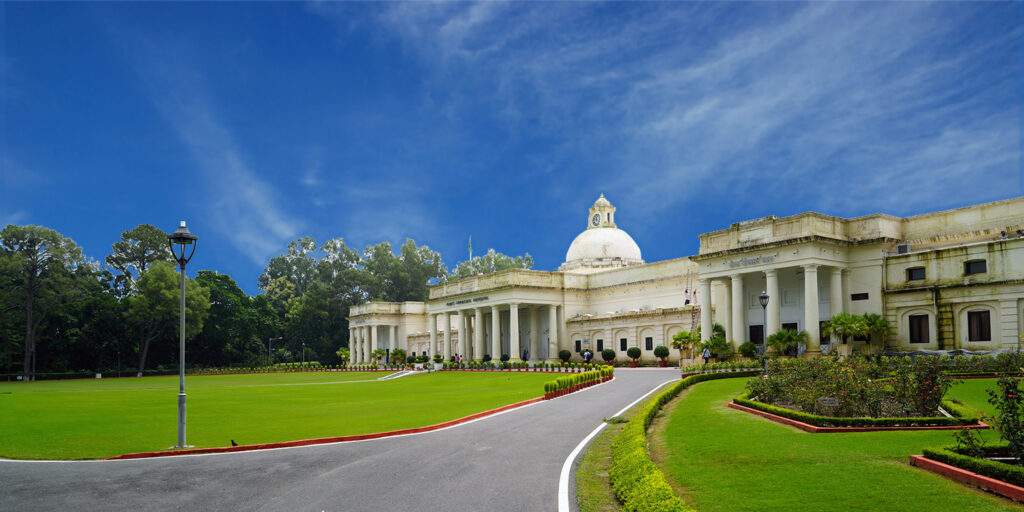
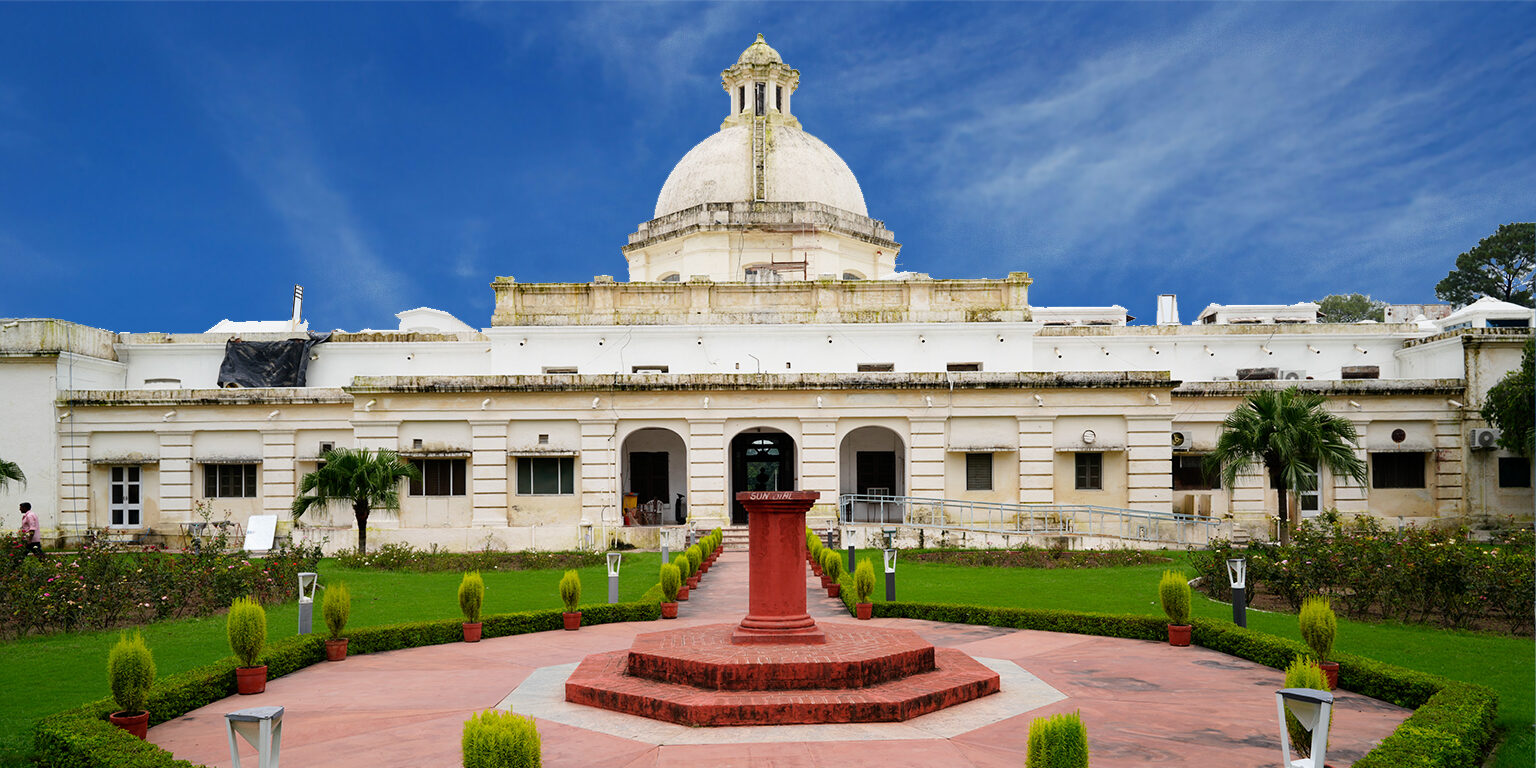
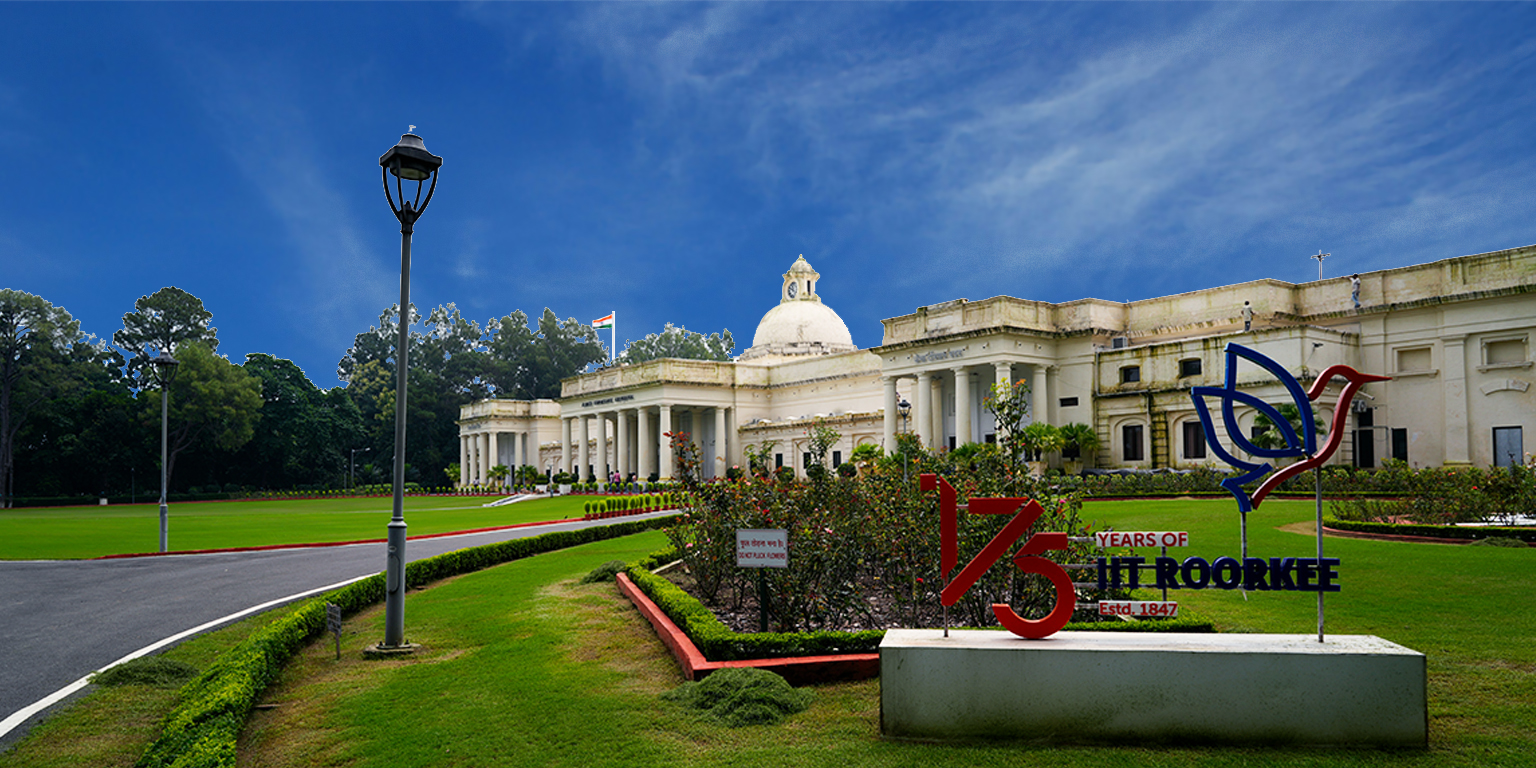
The architectural features of Renaissance buildings highlight harmony through a careful adherence to classical orders and precise mathematical ratios for proportion and symmetry. The term “Renaissance,” derived from the French word for ‘rebirth,’ is closely tied to the flourishing of arts, science, and culture during that period. When planning the construction of the college, James Thomason saw the monumental task of building the Ganga Canal as a chance to create a center for training civil engineers throughout India. His vision aimed to blend indigenous knowledge and hands-on experience with formal education. Through the architectural design of the building, Thomason sought to represent the revival and formalization of technical education in India, reflecting the principles of Renaissance thought and British ideals. This initiative aligned with the broader expansion of British influence in India, which was marked by significant investments in infrastructure projects like canals and public works to strengthen their control over the region. The impressive architecture of the James Thomason building serves as a fitting symbol of the institute’s importance in engineering education and research, both within India and globally. For more than a century, the quadrangle of the main building was the heart of administrative operations and non-teaching facilities. Over time, several additional constructions were added to the layout. The front lawns gently slope down, lined with trees and leading toward the grounds, hostels, and sports facilities. The central pathway, known as Rajpath, stretches from the Main Building to Cautley Bhawan, one of the oldest student hostels. For long-time members of Roorkee, weekends in the 1970s, 1980s, and 1990s were often spent picnicking on the front lawns. During this period, the campus of the University of Roorkee was open to the public, attracting families who sought peaceful moments in its lush surroundings, while children gathered to play cricket on the spacious grounds.